
I Practiced the Same English Role-Play Several Times
Practicing polite reminders and repeating one borrowed-umbrella role-play with different wording and brief feedback.
ChatGPT Voice conversations
Complete conversations about English practice and everyday questions.
Practicing polite reminders and repeating one borrowed-umbrella role-play with different wording and brief feedback.
Practicing polite interruptions in ten everyday situations, followed by expressions repeated slowly.
Rephrasing everyday sentences while preserving their meaning, with examples and language feedback.
Explaining everyday problems in fictional service and work conversations, with short language feedback.
Responding to compliments in everyday role-plays, with brief feedback and vocabulary questions.
Correcting mistaken details in everyday role-plays, including orders, times and reservations.
Explaining twelve everyday before-and-now changes in English, with brief feedback and wording questions.
Practicing polite endings for ten everyday conversations, with scene clarification and short language feedback.

Accepting and politely declining everyday invitations, with brief feedback and vocabulary questions.
Offering possible explanations for everyday observations, practicing maybe and might, and continuing while sleepy.
Asking questions to fill gaps in everyday messages about plans, missing keys, and work tasks.
Reacting spontaneously to fictional good news and disappointments, then retrying suggested expressions.
Apologizing in fictional everyday situations, asking about unfamiliar words, and receiving brief language tips.
Suggesting solutions to small everyday problems and trying clearer, more polite wording after feedback.

Inventing short English stories from three everyday words, with brief feedback and fresh word sets.
Summarizing short everyday messages, keeping important facts accurate, and retrying after feedback.
Using everyday English phrases in original sentences after hearing a meaning and example, with brief feedback.
Explaining everyday tasks in a few clear steps, asking for missing words, and trying suggested wording.
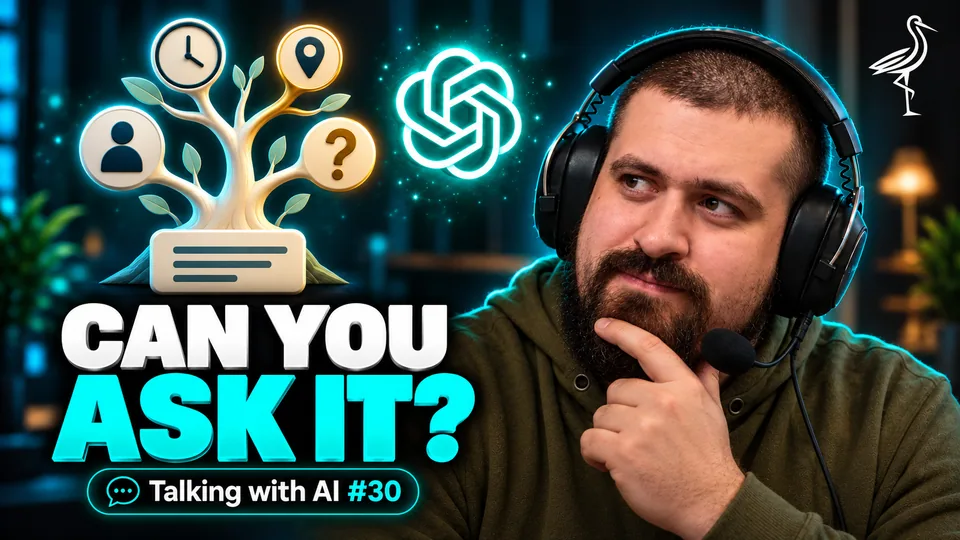
Turning short statements into English questions about time, place, people, and reasons, with feedback and retries.

Comparing familiar everyday options, explaining preferences, and retrying with brief language feedback.
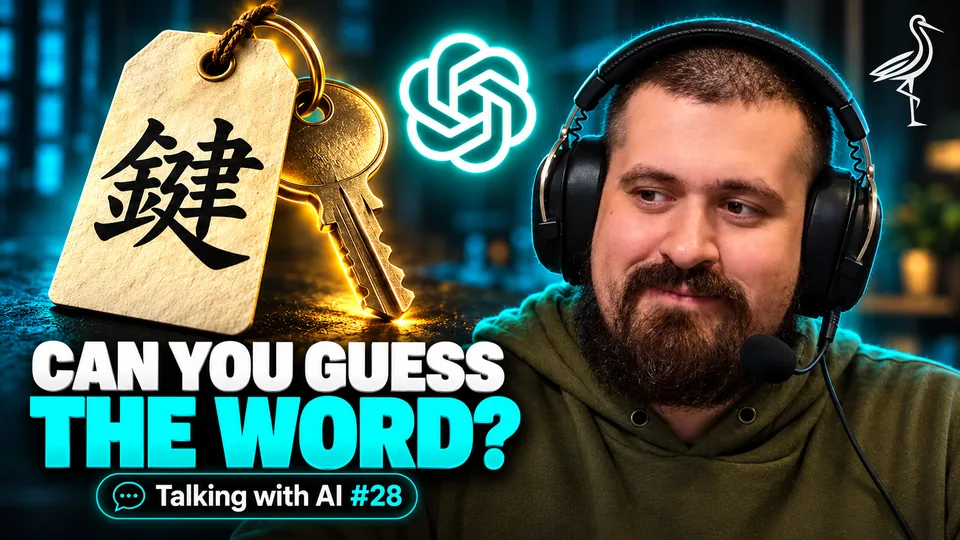
Asking yes/no questions in English to identify everyday objects, using hints and clarification when some AI clues were misleading.
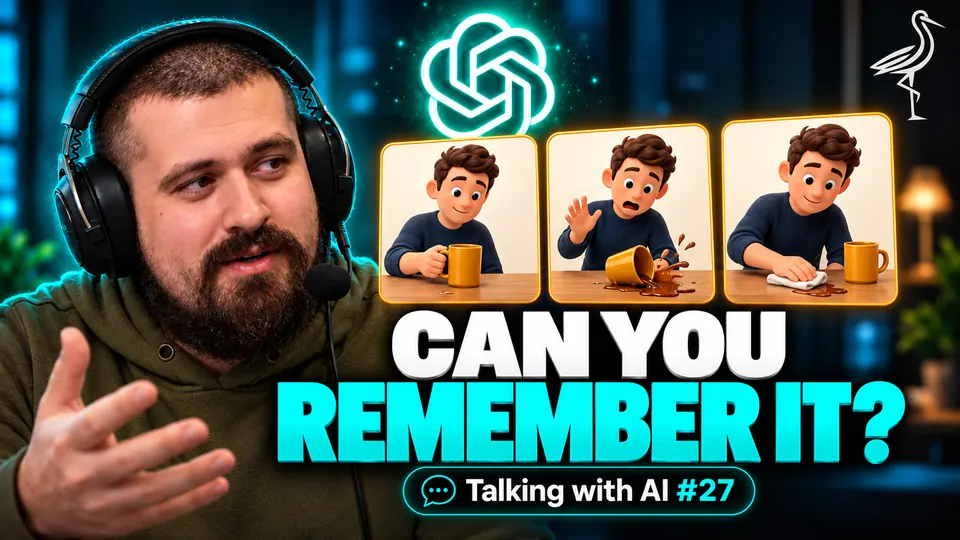
Listening to short fictional stories, retelling the main events in your own words, and trying again with feedback.
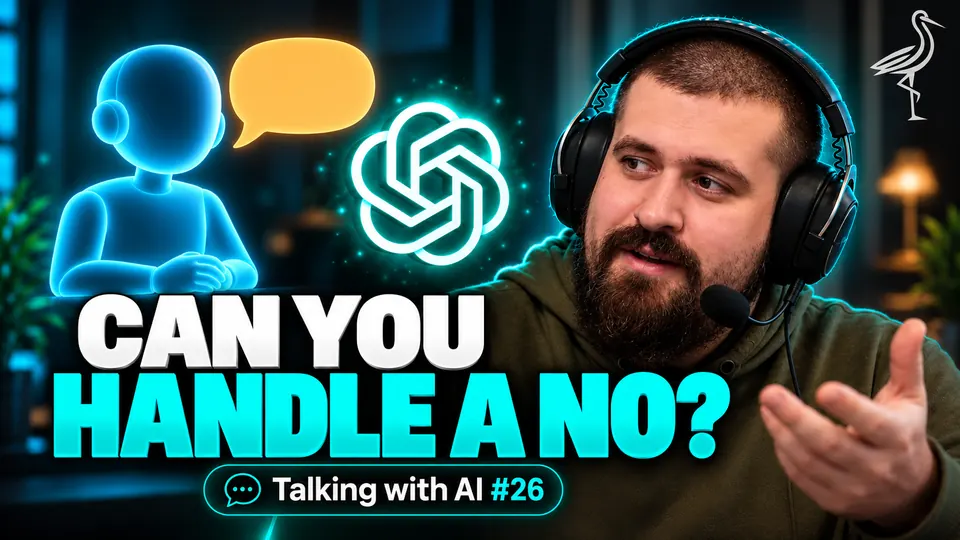
Everyday role-plays for asking for help, making polite requests, and responding when someone accepts or says no.
Practicing how to express opinions in English through an informal discussion about promises and commitments.
Practicing follow-up questions, sharing details, and finding what to say next in a two-way English conversation.
A short English conversation, feedback on specific spoken mistakes, and another try using the corrected phrases.
Exploring repeatable actions, daily execution, and weekly reviews without assuming that consistency guarantees progress.
Impatience with long-term goals, small wins, and a story about a smartphone and a growing seed.
Everyday role-plays about movies, meetings, and holidays, with polite disagreement and possible compromises.
Rehearsing clearer messages and natural ways to check understanding; AI practice does not test real people's responses.

Comparing a personal brand, an agency, and Leleka Speak as possible ways to present website services—not a validated strategy.
The gap between giving advice and taking action, using English practice as an example without measuring a habit change.

Why estimates go wrong, the planning fallacy, and practical ways to think about time and uncertainty.
Paradoxes, mathematical ideals, and whether the puzzle is in reality or how we describe it—not a mathematical proof.
Job interviews, performance reviews, and variability in human judgment; an informal discussion rather than an experiment.
How different practice schedules add up over time, using an informal hours estimate rather than a guaranteed fluency timeline.

Stories, connected ideas, memory techniques, and a penguin stealing a red car; an informal discussion, not a memory test.
A speculative AI vocabulary estimate through conversation and word-meaning checks—not a validated vocabulary test.

Known paths, uncertain paths, and the difference between executing a plan and discovering what works.
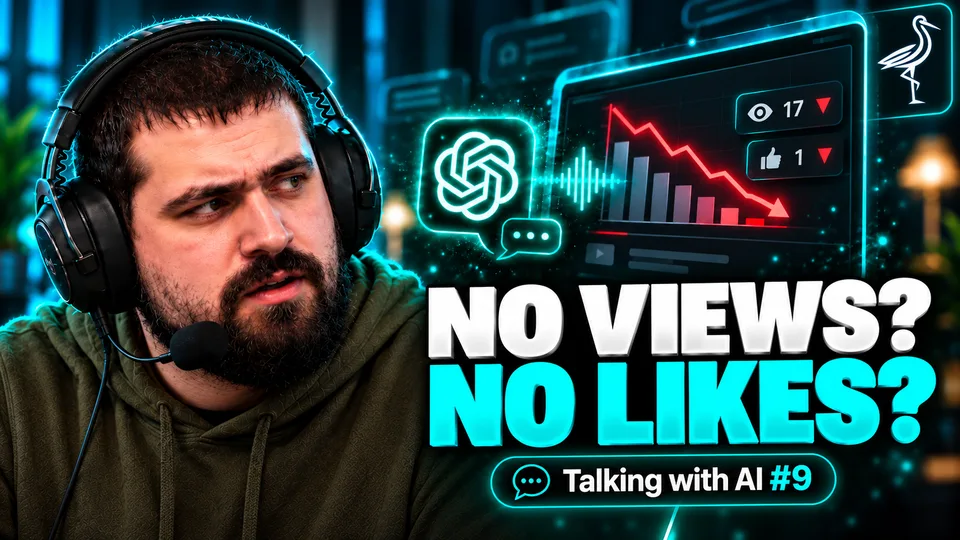
Motivation, recognition, and creating without visible social-media rewards.

Immediate rewards, delayed results, and whether small wins can make meaningful work easier to continue.
Living abroad, immersion at home, and creating frequent, meaningful English use without moving.
Paraphrasing, simplifying difficult words, and keeping the conversation moving.

When repetition helps, when it keeps us going in circles, and why feedback matters.
Possible bottlenecks, realistic options, and one measurable practice experiment.
The benefits, limitations, and blind spots of practicing spoken English with AI.
A structured conversation followed by an informal CEFR estimate and skill breakdown.
The first attempt to explain the series and turn one vague idea into a clear message.
Choose a prompt and start speaking with ChatGPT Voice.