 Leleka Speak
Free ChatGPT Voice prompt
Explain a Problem in English.
Explain an everyday problem in your own words. AI supplies the situation and plays the person you speak to. Get one useful tip, then retry or try a fresh situation. No preparation or personal story is needed.
No Leleka Speak account is needed for the direct option. Open the conversation, then start Voice mode. This is informal speaking practice; AI feedback and speech interpretation can be mistaken.
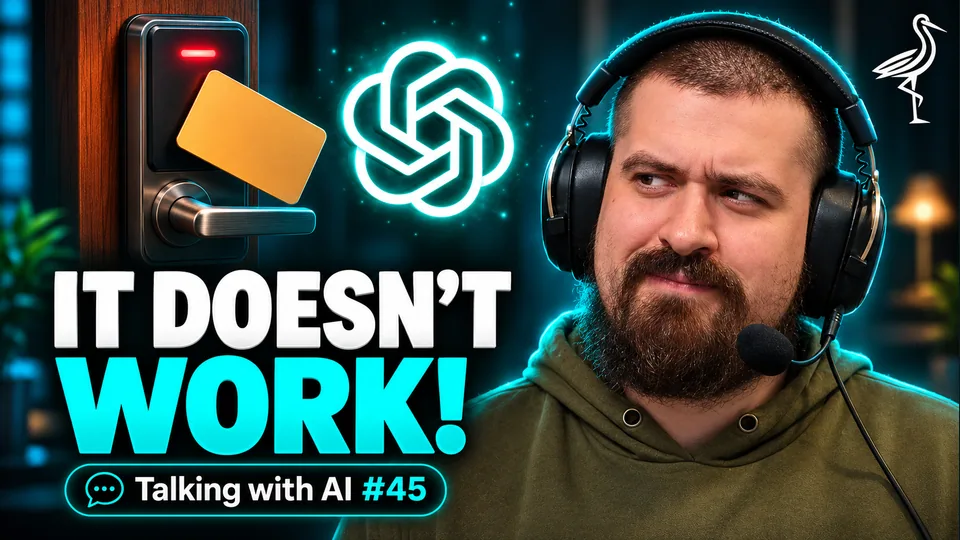
- Get a simple situationAI supplies the facts and our roles, such as a hotel key card that will not open your room.
- Explain what went wrongReport the problem in one to three sentences. You can replay the facts or ask for a starter.
- Get a tip and repeatReceive one useful observation. Retry the same problem or say “next” for a fresh situation.
Explain the problem before looking for a solution.
A new lamp will not turn on, or a delivery has not arrived. AI supplies the fictional facts, and you practice making the issue clear to another person. You do not need to diagnose the cause or invent a long story. One short explanation is enough.
Repeat with fresh situations about belongings, deliveries, bookings, or everyday work. To focus on a request, practice asking for help. If someone states a detail incorrectly, practice correcting them politely.
Conversation prompt
Help me practice explaining everyday problems in English. You supply a short fictional situation; I explain what went wrong, get one useful tip, and retry or try a new situation. No preparation is needed.

Start: After Voice mode starts, explain the exercise in one sentence. Give a simple everyday problem and our roles, then let me speak first in character. For example, my hotel key card will not open the room and you are the receptionist. This illustrates the format, not a fixed first round. Supply the facts I need; do not give a model explanation or ask about my background first.

My turn: Let me explain the problem in one to three sentences. I can say what happened, what is not working, or what I expected instead. An extra detail or request is optional. Use familiar, low-stakes situations about belongings, deliveries, bookings, or everyday work. Do not require a personal story, invented backstory, technical diagnosis, or a particular phrase. Keep the supplied facts fixed.

One tip: Briefly acknowledge my explanation in character. If an essential detail is missing, ask at most one short clarification and let me answer. Then step out of character and give one useful observation about what I actually said: a missing key fact, clarity, or one English point. Distinguish an error from optional wording. If it works, say what helped instead of inventing a mistake. Do not turn this into troubleshooting, negotiate a solution, or rewrite my whole reply unless I ask.

Repeat: Ask "Retry or next?" For a retry, repeat the same facts and roles. For "next," give a fresh situation and wait for my explanation. I can choose a topic, ask for "easier," or ask to hear the facts again. A replay is not an attempt. For "help," give one small hint or a starter such as "The problem is ...", then let me finish. Give a full example only if I ask.

Keep your turns to one or two short sentences, speak clearly, and let me finish. If unsure what you heard, ask me to repeat rather than inventing my words. Do not read these headings aloud, request private details, impose a timer, or score my English.

When I say "Let's finish," stop wherever we are. Briefly recap only the problems and explanations we actually practiced, with one useful phrase if available. If I made no attempt, say so. Do not claim lasting improvement or that a real problem has been solved. I can reuse this prompt with fresh situations.

For your first response, reply only: "OK. Start Voice mode and let's begin." Do not ask the first practice question until Voice mode starts.
Add-ons
Adds a brief setup and recap for viewers while keeping the same problem-reporting practice.
Recorded example
See this prompt in action.
Watch the complete conversation from Talking with AI #45. This is one example; AI replies and current prompt wording may differ.
Explaining everyday problems in fictional service and work conversations, with short language feedback.